How to Prepare for a Blood Test: Fasting Rules, Best Timing and Mistakes to Avoid
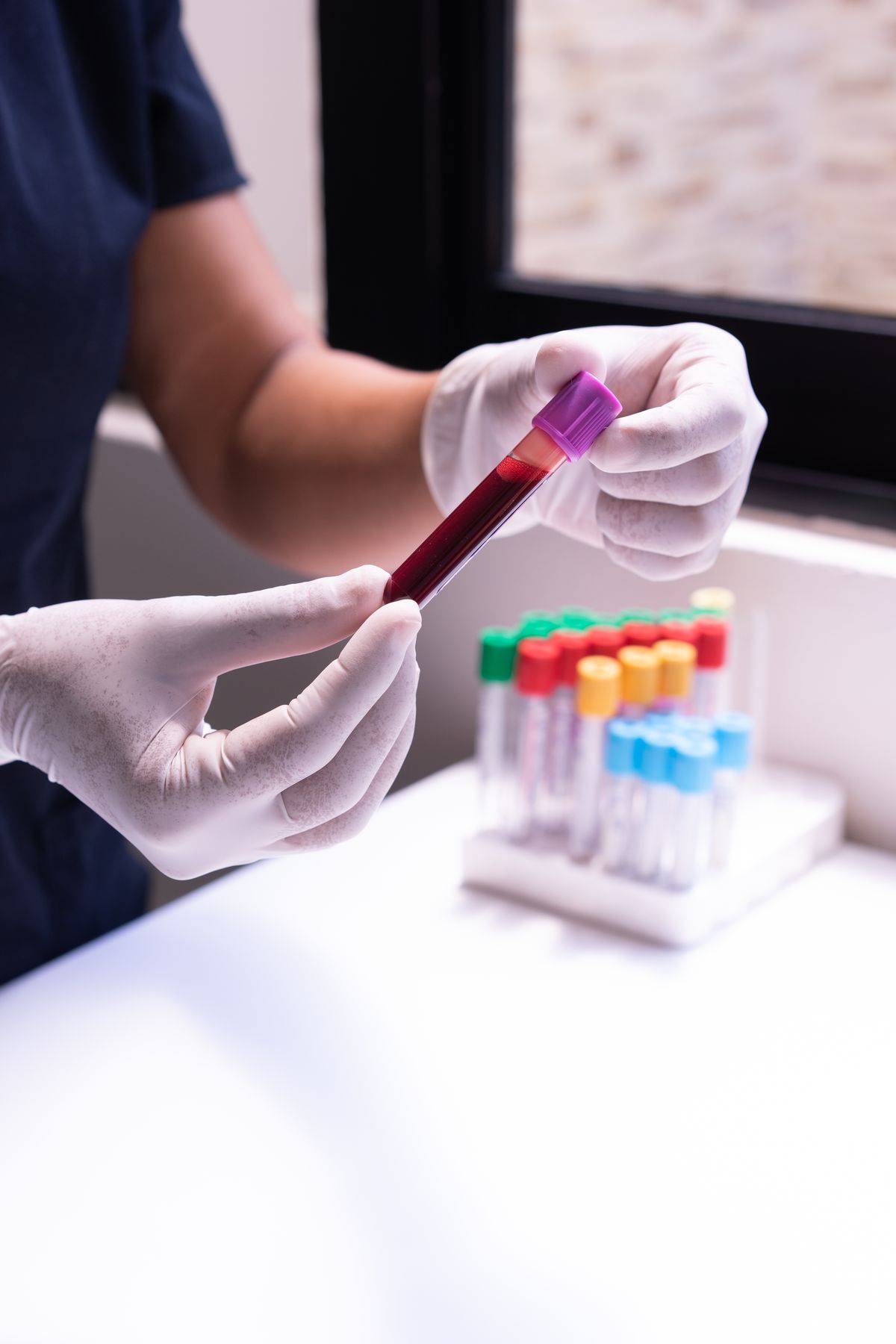
Which blood tests really need an empty stomach? When is the best time to give a sample, and which everyday mistakes quietly distort results? A practical preparation guide from our Lucknow centre.
Most wrong-looking reports do not come from the lab machine. They come from the hours before the needle: a heavy late dinner before a "fasting" sugar test, a thyroid tablet swallowed minutes before the sample, an iron or biotin supplement nobody thought to mention. Preparation is the cheapest accuracy in diagnostics — it costs nothing, and it protects every rupee you spend on the test itself. This guide covers the rules that actually matter.
Which tests really need fasting?
Fasting blood sugar and the lipid profile are the two common tests where fasting genuinely changes the result. Both need an overnight fast of about 8 to 12 hours: no food, no tea or coffee, no juice — plain water is allowed and encouraged. Many other popular tests do NOT need fasting at all: HbA1c, CBC, thyroid profile and vitamin D can be done at any time of day. If your prescription has several tests together and even one of them needs fasting, the fasting rule applies to the whole visit.
The best time to give your sample
Morning is the natural slot for fasting tests, simply because the fast finishes while you sleep. Some hormone levels, including TSH, also vary through the day, which is why doctors often prefer morning samples for thyroid tests. For home collection, an early slot means the fast ends on time and breakfast is not delayed — something that matters especially for children, elderly patients and anyone with diabetes. Tell the booking team if a patient must eat by a fixed time for medicines; slots can be planned around it.
Medicines and supplements: do not improvise
Never stop a prescribed medicine on your own just because a test is due — for most tests it is not needed, and for some conditions it is unsafe. Two situations are worth a mention when you book. First, thyroid patients are commonly advised to give the sample before the day's thyroid tablet; follow your own doctor's instruction on this. Second, supplements: biotin (often sold for hair and skin) can distort thyroid and some hormone results, and iron supplements can affect iron studies. You do not need to hide them — just tell the team what you take, and they will advise the gap if one is needed.
Food, alcohol, exercise and smoking
Alcohol deserves a clear 24-hour gap before liver function and lipid tests; it can temporarily raise enzymes and triglycerides and make a healthy liver look stressed. A very heavy workout the evening before can push some muscle and liver enzymes up for a day or two, so keep exercise light before a checkup. Smoking shortly before the sample can affect some values and blood pressure-related readings. None of this needs a lifestyle overhaul — just an honest, ordinary day before the test, with the fast kept properly.
Water is allowed — and helpful
A common myth is that fasting means no water. It does not, for blood tests. Drinking normal amounts of water keeps you hydrated, makes veins easier to find, and makes the collection quicker and more comfortable. Dehydrated samples are harder to draw and occasionally harder to process. Unless your doctor has restricted fluids for another reason, keep drinking water as usual.
Preparing children and elderly family members
For children, keep the fast as short as the test allows and book the earliest slot; carry a snack for immediately after the sample. For elderly patients, confirm which morning medicines are to be taken before or after the sample — this is a doctor's decision, not a guess. If a patient is bedridden or anxious about needles, say so while booking on +91 9451155402; home collection at a calm, familiar home setting is usually easier than a trip to a centre.
A two-minute checklist before your home collection visit
Keep the prescription or test list ready (a phone photo works). Note your complete address with the nearest landmark. Keep a previous report handy if this is a follow-up test. Confirm the fast, if any, for every person being tested. And if anything is unclear — a medicine, a supplement, a timing problem — ask when you book, not when the phlebotomist is at the door.
Book, prepare, done
At our Dr Lal PathLabs Patient Service Centre in Khargapur, Gomti Nagar, almost every routine blood test can be collected at your home in Lucknow, free of charge, with reports on WhatsApp and email. If reading the report afterwards is the hard part, ask our team about the free LabIQ explainer — a simple-Hindi explanation of your report available with our health checkup packages. To book a test or a package, call or WhatsApp +91 9451155402.