Turning 40? The Blood Tests Worth Doing Every Year
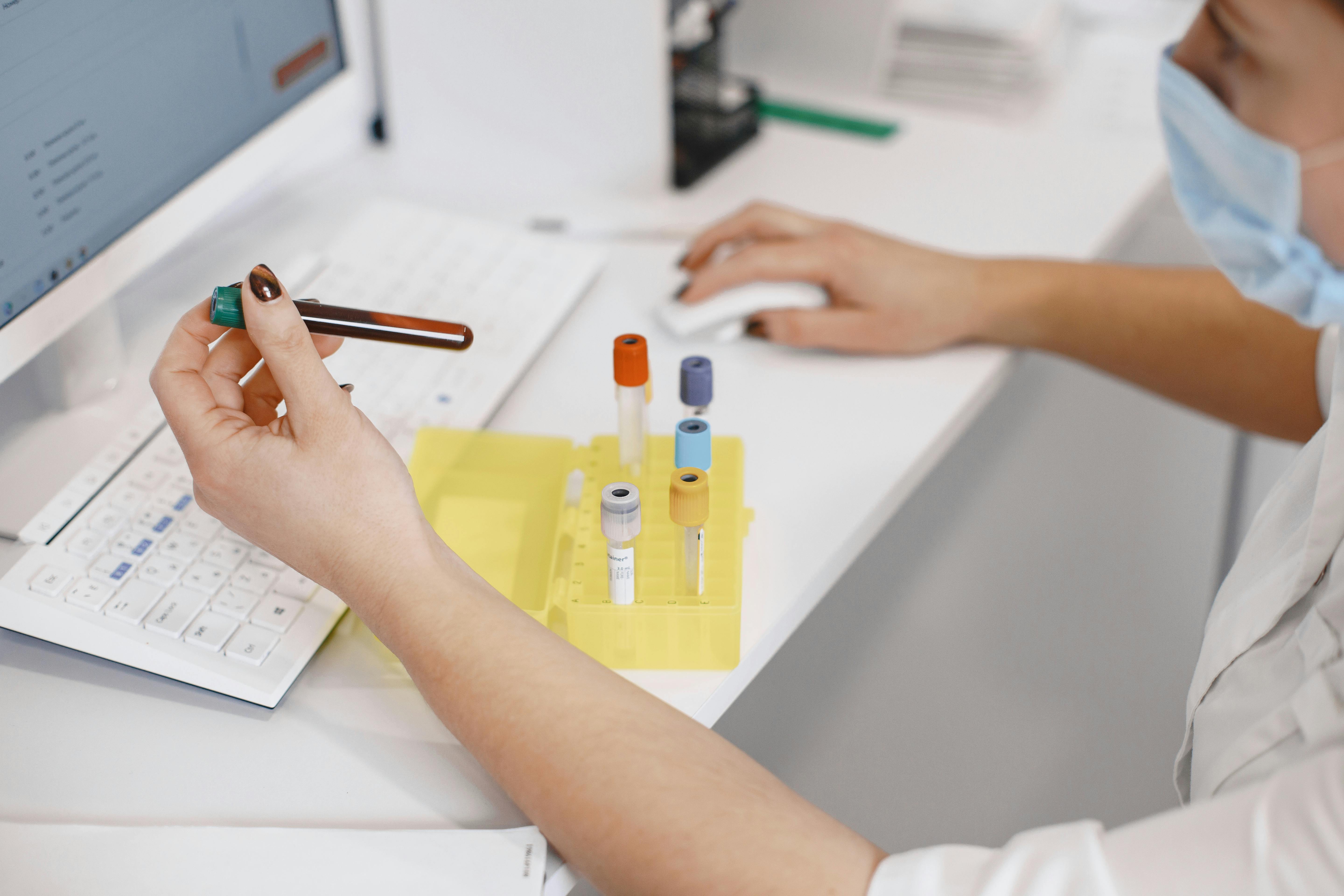
Crossed 40? These are the blood tests doctors recommend every year after 40 — what each one checks, and why waiting for symptoms costs more.
Why 40 Changes the Rules
Nothing dramatic happens on your 40th birthday. But this is the decade when the body's repair systems start slowing — metabolism dips, blood vessels lose some flexibility, and the margin for dietary mistakes narrows. The conditions that hospitalise people in their 50s — diabetes, heart disease, kidney failure — almost always begin as silent blood abnormalities in the 40s.
The good news: blood catches nearly all of it early. A once-a-year panel of blood tests after 40 is the highest-return health investment you can make.
The Core Yearly Panel
Complete Blood Count (CBC) is the baseline everything builds on. Low haemoglobin explains tiredness blamed on work stress. High white cells flag hidden infection. Get the full CBC, not just haemoglobin — the differential counts matter.
Fasting blood sugar plus HbA1c — do both, not one. Fasting sugar is a snapshot of today; HbA1c is the three-month average. Together they catch pre-diabetes, the stage where lifestyle changes still reverse the course. A large share of Indian diabetes is discovered only after complications begin.
Lipid profile needs a genuine 10–12 hour fast — water is fine, food is not. A non-fasting sample skews triglycerides and makes the whole panel misleading. Total cholesterol, LDL, HDL, triglycerides: these four numbers decide a big part of your heart risk for the next decade.
Liver function test (LFT) — SGOT, SGPT, bilirubin, albumin. Non-alcoholic fatty liver now affects roughly a third of urban Indian adults, usually with zero symptoms. LFT catches it while diet and exercise can still reverse it.
Kidney function test (KFT) — creatinine and urea. Kidneys fail silently; meaningful damage happens long before any symptom. An annual KFT after 40 is standard medical guidance worldwide, not an extra.
Thyroid stimulating hormone (TSH) — thyroid disorders rise with age and are notably common in Indian women after 40. Unexplained weight change, persistent fatigue, or low mood deserve a TSH check before anything else is assumed.
Worth Adding Based on Your Situation
Vitamin D and B12 deserve a mention for anyone working indoors — which covers most of Gomti Nagar's office crowd. Low B12 mimics burnout and low mood so closely that people treat the wrong problem for years. A single test settles it.
Men should discuss PSA (prostate screening) with their doctor around 40–45, earlier with family history. Women can use the annual health visit to schedule mammogram and Pap smear alongside — not blood tests, but the same principle: catch it before it announces itself.
How to Get It Done Without Losing a Morning
The most common reason people skip annual blood tests after 40 is not cost — it is the morning. Nobody wants to spend a weekday in a lab queue.
Home collection removes that excuse. At our Khargapur centre the routine is simple: call or WhatsApp on +91 9451155402 the evening before, the phlebo arrives between 7 and 9 AM, one sitting covers the full panel, and you are done before breakfast. Fast overnight for 10–12 hours — water allowed — and the lipid and sugar readings stay accurate. Reports usually reach you the same evening. The home visit itself carries no charge.
Reading the Report Without Panicking
An out-of-range value is a flag, not a verdict. Labs mark anything outside the reference range, and those letters draw the eye — but reference ranges are population statistics. Your doctor reads them against your age, medicines, history, and previous years' numbers.
What matters most is the trend. Is HbA1c creeping upward year after year? Is creatinine inching higher? That is what the annual panel is for — not one perfect report, but the direction of travel. Book the panel, do it fasting, and take the report to your doctor. Forty is early enough to change the trajectory, and late enough that every year of waiting costs more.