Fever in Children: Which Blood Tests, and When
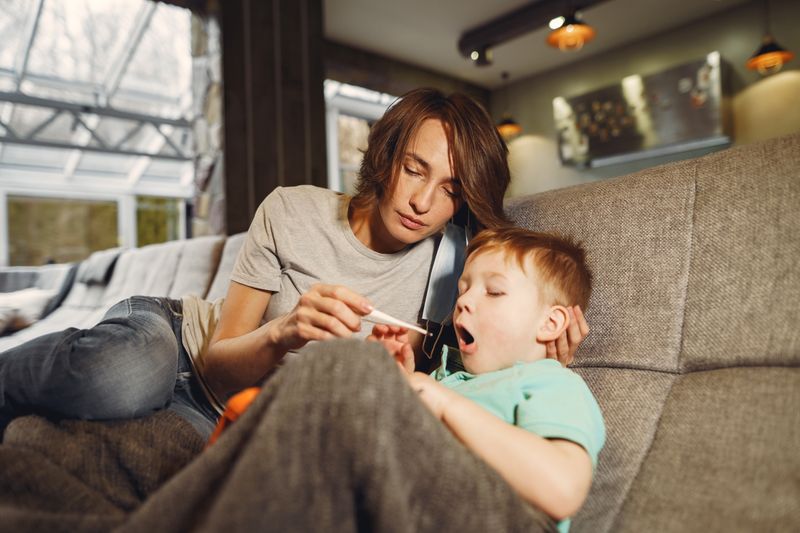
Fever in children is frightening, and the right blood test depends on the day and the symptoms. A parent's guide from a Lucknow diagnostic centre.
It is nine at night, your five-year-old is burning with fever, and someone in the family is already saying "get a blood test done". But which one? Fever in children is frightening precisely because parents want to act fast — and the most useful thing to know is that the right test on day one is often no test at all, while the right test on day four can change everything.
Fever in Children: Which Test on Which Day
For the first two to three days of an ordinary fever with cold-like symptoms, most paediatricians do not order blood tests immediately. They examine the child, and the fever often settles on its own. Testing too early usually produces normal reports that reassure nobody and cost money for nothing.
The picture changes when fever persists or fits a pattern. A CBC (complete blood count) is the usual first step — it shows the overall pattern of the illness and tracks platelets. In Lucknow's October season, dengue is on every parent's mind: the NS1 antigen test works best in the first five days of fever, while the IgM antibody test becomes useful from around day five onwards. For malaria, the sample matters most during an actual fever spike. If the paediatrician suspects typhoid or a urinary infection — common in smaller children — they will advise those specific tests. The key point: the day of fever decides the test, so always tell the booking team which day it is.
Signs That Mean the Doctor Today, Not Tomorrow
With children, a few signs should never wait for a report. Difficulty in breathing, unusual drowsiness or limpness, refusal to drink anything, a rash along with fever, convulsions, or fever in a baby under three months — these mean the paediatrician today, immediately. A blood test never replaces that visit; it follows the doctor's advice.
What Parents Get Wrong Most Often
The commonest mistake we see is demanding "the full test" on day one — dengue, malaria, typhoid, everything — out of fear. On day one, most of these will be negative even in a genuinely sick child, because the markers have not had time to appear. The second mistake is the opposite: waiting a week with a persistent fever because "it will settle", while a simple CBC on day three or four would have shown what is happening. Trust the paediatrician's timing more than the family's anxiety in either direction.
Making the Test Easy for the Child
A few things that genuinely help at our centre. Morning appointments are calmer for small children. Keep the child hydrated before coming in, unless the doctor said fasting. Bring the prescription and any earlier reports — the pathologist reads the current sample against them. And if the child is too ill or too scared to travel, our free home sample collection covers Gomti Nagar, Khargapur and nearby areas; our team is used to nervous little patients and keeps the process quick and gentle.
What to Tell the Booking Team
When you call, five pieces of information make everything faster: the child's age, which day of fever it is, the highest temperature recorded, what the paediatrician advised (if you have seen one), and whether there are other symptoms — cough, loose motions, rash, ear pain. With these five, the team can arrange exactly what is needed in one visit instead of two. Without them, even the best lab is guessing.
A Note for October in Lucknow
This is peak fever season — dengue, viral fevers and typhoid all circulate together, which is why "which test" confuses everyone. Do not try to diagnose from the neighbourhood's experience; two children with identical fevers can need completely different tests. Note the day of fever, note the symptoms, and let the paediatrician choose.
If your child has fever and you are unsure what to do next, call or WhatsApp us on +91 9451155402. Tell us the child's age, which day of fever it is, and what the paediatrician advised — we will arrange the right test at the right time, at the centre or at your home.