HbA1c vs Fasting Sugar: Which Diabetes Test Do You Actually Need?
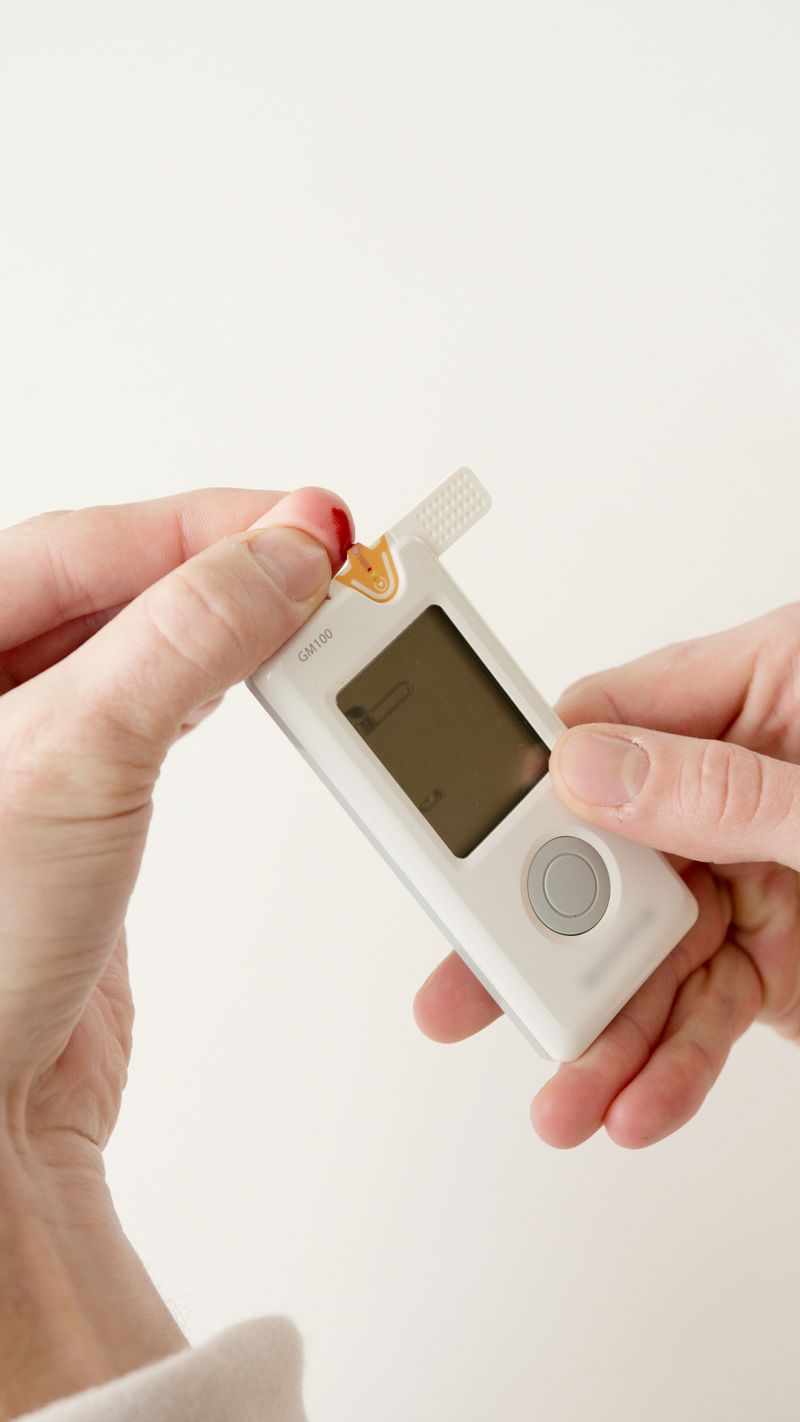
Confused between HbA1c vs fasting sugar? One shows a single morning, the other shows three months. Here is which diabetes test you actually need.
"My fasting sugar was normal, so why is my HbA1c high?" We hear this question at our Khargapur centre almost every week, and it comes from a genuine confusion between HbA1c vs fasting sugar. They are not two names for the same test. They answer two different questions — and once you know which question you are asking, choosing the test becomes easy.
HbA1c vs Fasting Sugar: What Each Test Actually Measures
Fasting sugar (fasting plasma glucose) is a photograph. It tells you your blood sugar at one single moment — the morning you gave the sample, after an overnight fast. It is useful, but it is also easy to fool: one careful week of eating can produce a good fasting number even when the rest of the month was not.
HbA1c is a three-month film, not a photograph. Sugar sticks to haemoglobin in your red blood cells, and since those cells live about three months, the HbA1c percentage reflects your average sugar over that whole period. A single good week cannot hide behind it, and a single bad day cannot ruin it either.
The Numbers Doctors Commonly Use
You will see these cut-offs quoted widely, but treat them as orientation — your doctor confirms what they mean for you. Commonly, an HbA1c of 6.5% or above suggests diabetes, 5.7 to 6.4% suggests the prediabetes range, and below 5.7% is considered normal. For fasting sugar, 126 mg/dL or above on more than one occasion suggests diabetes, 100 to 125 the prediabetes range. One borderline number is never a diagnosis by itself; doctors look at the pattern and often repeat the test.
When Doctors Order Which One
Fasting sugar is the quick check — cheap, fast, and useful for a first screen or for tracking how your current medicines are doing day to day. HbA1c is the test doctors order when they want the truth about the last three months: at diagnosis, when deciding whether to start or change medicines, and for the regular three-to-six-monthly review of anyone living with diabetes.
One practical point many patients miss: HbA1c can be misleading if you have anaemia or certain haemoglobin conditions, because the test depends on red blood cells behaving normally. If you know you are anaemic, mention it when you book — the doctor may lean more on your fasting and other readings instead.
The Practical Difference on Test Day
Fasting sugar needs a true overnight fast — nothing to eat or drink except water for at least eight hours, which is why our centre runs the morning slot for it. HbA1c needs no fasting at all; you can walk in at any hour, which is one reason working patients in Gomti Nagar prefer it. If your doctor has asked for both, give the sample in the morning fasting state and both get done from the same tube.
How Often Should HbA1c Be Repeated?
For most people living with diabetes, doctors advise HbA1c every three to six months — three months if medicines recently changed or control is off target, six if things are stable. Testing every month is pointless; the number barely moves in less than eight to twelve weeks because it reflects the lifespan of red blood cells. If your last HbA1c was six weeks ago and nothing has changed in your treatment, save your money and wait for the next due date. Your doctor's prescription is the final word on timing.
So Which One Do You Need?
If you have never been tested and want a first check, many doctors start with fasting sugar and add HbA1c when the picture needs confirming. If you already live with diabetes, HbA1c is the number that tracks whether your plan is actually working across months, not just on good mornings. And if the two disagree — normal fasting, high HbA1c — believe the disagreement is telling you something, and take both reports to your doctor rather than picking the one you like.
To book either test in Lucknow — with free home sample collection if you prefer not to travel fasting — call or WhatsApp us on +91 9451155402. Tell us whether your doctor asked for fasting sugar, HbA1c, or both, and we will guide you on the timing.